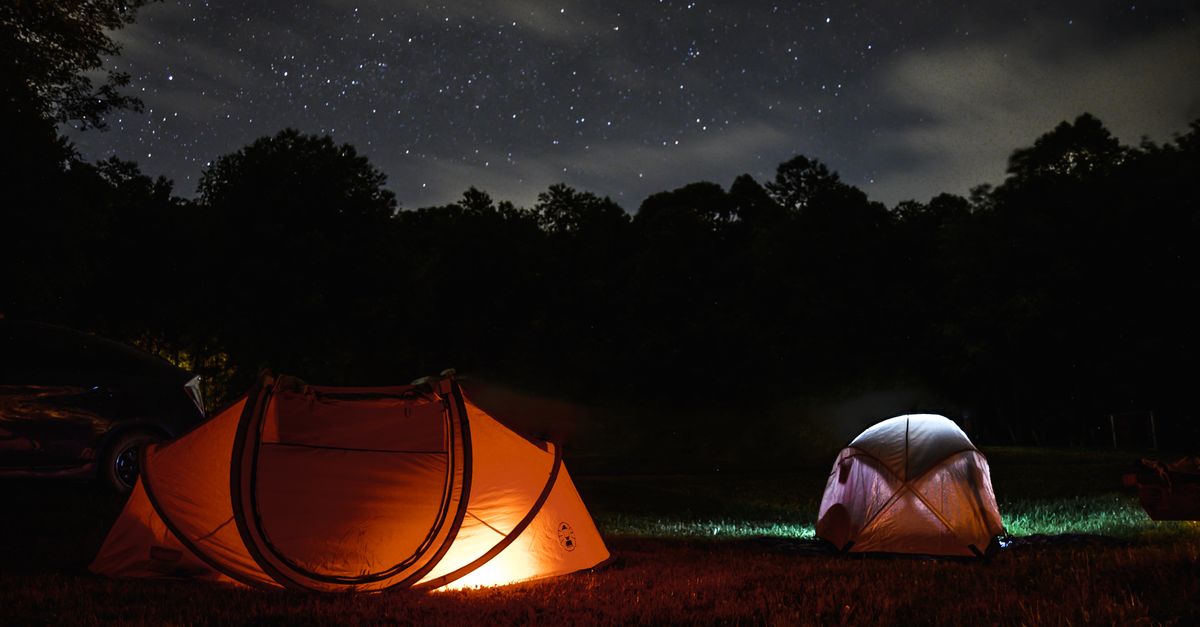
Why Most Budget Camping Tents Fail You (And What Actually Works for Real Durability and Comfort)
Picture this: You’ve planned the perfect weekend getaway. The car is packed, the cooler is full, and you’re dreaming of starlit nights and crisp morning air. You arrive at your campsite, excited to set up, only to find your brand-new, highly-rated budget tent is a flimsy nightmare. The poles bend under minimal tension, the fabric feels like tissue paper, and a light breeze turns it into a flapping, noisy sail. Or worse, a sudden evening shower leaves you huddled in a damp sleeping bag, questioning all your life choices.
I’ve been there. More times than I care to admit. For years, I approached camping gear with a strict “cheapest first” mentality. My logic was simple: how different can one tent be from another? They all have poles, fabric, and zippers, right? Wrong. The hidden cost of a budget camping tent isn’t just the few dollars you save upfront; it’s the ruined trips, the sleepless nights, the constant anxiety over weather changes, and the sheer frustration of gear that fails when you need it most. It’s the sacrifice of comfort, safety, and ultimately, the joy of being outdoors.
What I’ve learned through countless damp nights and broken poles is that a tent is not merely shelter; it’s your temporary home, your sanctuary against the elements. Compromising on its quality is like building a house with cardboard. You’re setting yourself up for disappointment, discomfort, and potentially, a prematurely ended adventure. This isn’t about luxury; it’s about investing in the core functionality that allows you to truly enjoy nature, rather than battling your gear.
In my experience, the biggest mistake most first-time (and even seasoned) campers make is underestimating the specific stressors a tent endures and overestimating the performance of low-cost options. They focus on the initial price tag, not the long-term value, durability, or the peace of mind that comes with reliable shelter. It’s a lesson I learned the hard way, through soggy sleeping bags and early morning drives home.
Key Takeaways
- Budget tents often cut corners on critical materials like pole quality, fabric denier, and seam sealing, leading to premature failure and discomfort.
- Strategic splurges on a tent with durable poles (aluminum), adequate waterproofing (1500mm+), and reinforced stress points are essential for reliability.
- Prioritize tent features like robust zippers, proper ventilation, and easy setup for a significantly better and safer camping experience.
- A mid-range tent with proven features offers superior value and performance over multiple trips, avoiding the hidden costs of repeated budget purchases and ruined adventures.
The Illusion of ‘Good Enough’: Where Budget Tents Actually Cut Corners
When you buy a budget tent, you’re not just getting a simpler design; you’re getting fundamentally weaker components. The biggest culprits for failure in my experience are the poles, fabric, and stitching. These are the tent’s skeleton, skin, and connective tissue, and budget options compromise on all three.
I once bought a generously sized, 6-person budget tent for a family trip. It looked great online – spacious, seemingly easy to set up. On its first outing, a moderate gust of wind, maybe 15-20 mph, bent two of the fiberglass poles into permanent arcs, rendering the tent practically unusable. The polyester fabric, advertised as “water-resistant,” felt thin and almost sticky. When a light dew settled overnight, the inside was damp from condensation that easily permeated the material. The zippers, which felt stiff even when new, snagged constantly, threatening to tear the flimsy fabric at every entry and exit.
Here’s what I learned that day: fiberglass poles, while cheap, are notoriously brittle and lack the tensile strength of aluminum. They snap or splinter under stress. Budget fabrics often have a low denier (a measure of fabric thickness and durability) and minimal hydrostatic head ratings (the actual waterproofing level), meaning they’re susceptible to tears, UV degradation, and poor water resistance. And stitching? Often single-stitched with weak thread, leaving critical seams vulnerable to tearing, especially at connection points or under tension. These aren’t just minor inconveniences; they are design flaws that fundamentally undermine the tent’s purpose: to protect you from the elements.
The Silent Killer: Inadequate Weather Protection
One of the most critical functions of a tent is to keep you dry. Yet, this is where budget tents consistently fail the hardest. My early experiences with budget tents were plagued by an unspoken truth: their ‘water-resistant’ claims were often wildly optimistic. I distinctly remember a trip to the North Carolina mountains where an unexpected afternoon thunderstorm rolled in. The tent, a supposedly ‘waterproof’ model, quickly became a sieve.
Water didn’t just drip; it seeped through the seams, wicked up from the floor, and permeated the flimsy rainfly. My sleeping bag was soaked, my clothes were damp, and the mood of the entire group plummeted. We ended up packing up in the dark, cutting the trip short, all because a few extra dollars could have bought us proper protection.
Here’s the reality: true waterproofing in tents is measured by a hydrostatic head (HH) rating, expressed in millimeters. A tent floor needs at least 1500mm HH for basic ground moisture protection, and a rainfly should be 1200mm HH or higher to effectively repel rain. Many budget tents skimp here, offering ratings well below these thresholds. Furthermore, they often lack properly taped and sealed seams, which are crucial. Water will find its way through any unsealed stitch hole, no matter how good the fabric is. Without a robust rainfly that extends far enough from the tent body, ventilation suffers, leading to excessive condensation, making it feel like the tent is leaking from the inside out.
I’ve since learned that investing in a tent with a minimum 2000mm HH floor and 1500mm HH rainfly, coupled with factory-taped seams, is a non-negotiable for reliable weather protection. This simple upgrade literally changes your entire outdoor experience from a gamble to a guaranteed shelter.
The Frustration Factor: Setup, Zippers, and Ventilation
Beyond the structural and weatherproofing issues, budget tents often create a cascade of frustrating minor failures that erode the enjoyment of your trip. I used to think a tent was a tent, but the devil is truly in the details. My most memorable moment of despair came with a new, large budget tent designed for multiple people.
Setting it up was a nightmare. The poles didn’t color-code, the sleeves snagged constantly, and the tension points were awkward. What should have been a 15-minute task turned into a sweaty, argument-filled 45 minutes as dusk settled. Then came the zippers. They’d snag, separate, or just refuse to budge, turning simple entry and exit into a wrestling match, especially in the dark. Imagine trying to get out for a midnight bathroom break without waking the entire camp with the struggle!
And ventilation? Non-existent. On warmer nights, the tent would become a stuffy, humid sauna. Mesh panels were tiny, or made of a dense material that offered little airflow. On colder nights, the lack of proper airflow led to extreme condensation, making everything inside damp and clammy. This isn’t just about comfort; poor ventilation can also impact the lifespan of your gear and even your health if moisture leads to mold.
What truly works is a tent designed with user experience in mind. Look for color-coded or hubbed pole systems that simplify setup. YKK zippers (often indicated by the YKK logo) are an industry standard for durability and smooth operation – a non-negotiable for me now. And ensure generous mesh panels on the tent body itself, coupled with a rainfly that can be adjusted or rolled up for cross-ventilation, even in light rain. These seemingly small details drastically reduce frustration and significantly enhance your overall camping experience.
The True Value of Strategic Splurges
It might sound counterintuitive to spend more to save money, but with camping tents, it’s often the case. After years of replacing flimsy tents, I finally broke the cycle and invested in a mid-range tent from a reputable brand. The difference was immediate and profound. The poles, made of lightweight aluminum, snapped together confidently. The fabric felt robust, the zippers glided, and the rainfly, with its high HH rating and taped seams, provided true protection.
This tent has now lasted me five seasons and counting, enduring countless trips, including unexpected downpours and gusty winds, without a single failure. The initial investment, which was about 2.5 times the cost of my previous budget tents, has paid for itself many times over by providing reliable shelter and, more importantly, peace of mind. I no longer dread bad weather forecasts; I simply adjust my expectations for a cozy, dry evening.
Strategic splurges mean focusing your budget on a few key areas that deliver disproportionate value:
- Aluminum Poles: Lighter, stronger, and more durable than fiberglass. They bend before they break and are often field-repairable.
- Higher Denier Fabric & HH Rating: Aim for at least 68D (denier) polyester or nylon for the tent body and rainfly, with HH ratings of 1500mm+ for the fly and 2000mm+ for the floor. This provides tear resistance and true waterproofing.
- YKK Zippers: They simply work, reliably, for years.
- Reinforced Stress Points: Look for extra fabric patches or double stitching where poles connect, guylines attach, and at tent corners. This prevents common tear points.
- Adequate Ventilation: Large mesh panels and a well-designed rainfly that creates a gap for airflow.
These aren’t luxury features; they are foundational elements of a functional, durable, and comfortable tent. Skipping them doesn’t save you money in the long run; it costs you good experiences and eventually, more money when you have to replace failed gear.
Frequently Asked Questions
Q: Is a more expensive tent always better?
A: Not necessarily. While budget tents almost always underperform, there’s a point of diminishing returns. Extreme ultralight backpacking tents or expedition-grade mountaineering tents are designed for highly specific, harsh conditions and come with a premium. For most casual to moderate car camping, a mid-range tent from a reputable brand (often in the $200-$400 range for a 4-6 person model) offers the best balance of durability, features, and value.
Q: How can I tell if a tent has good waterproofing if the HH rating isn’t listed?
A: Reputable brands will almost always list the hydrostatic head (HH) rating in the specifications. If it’s not listed, it’s a red flag. You can also look for clear mentions of ‘taped seams’ or ‘fully seam-sealed’ in the product description. In its absence, assume minimal waterproofing and consider purchasing a separate tent footprint (groundsheet) and seam sealer as a stopgap measure, though this still won’t compensate for poor fabric.
Q: What’s the difference between fiberglass and aluminum poles, and why does it matter?
A: Fiberglass poles are cheap, heavy, and brittle. They are prone to splintering and snapping under wind stress or accidental bending. Aluminum poles are lighter, much stronger, and more flexible. They will typically bend before breaking and can often be field-repaired with a splint kit, giving you a much higher chance of salvaging a trip if a pole gets damaged. The difference in reliability is immense.
Q: Can I make a budget tent more durable or waterproof?
A: You can certainly try. Applying seam sealant to all internal seams can improve waterproofing. A robust, custom-fit tent footprint (tarp) will protect the tent floor. You can also replace fiberglass poles with aftermarket aluminum poles, though this can be nearly as expensive as buying a better tent upfront. These are patchwork solutions; they won’t fix fundamental fabric weakness or poor design, but they can extend the life and improve the performance of an otherwise disappointing tent.
Q: What tent features are truly essential for comfort and safety?
A: Beyond durable poles and good waterproofing, essential features include: a well-designed, full-coverage rainfly; robust, smooth-gliding zippers (preferably YKK); ample mesh for cross-ventilation to reduce condensation; interior pockets for organization; and strong guylines and stakes to properly secure the tent in wind. For ease of use, look for color-coded poles and clips. These features contribute directly to your comfort, safety, and the overall enjoyment of your camping trip.
Embrace the Outdoors with Confidence
My journey from a budget-tent enthusiast to a strategic spender taught me a valuable lesson: the outdoors is meant to be enjoyed, not endured. While it’s tempting to save a few dollars upfront, the hidden costs of a poorly performing tent—damp gear, sleepless nights, constant worry, and ultimately, ruined trips—far outweigh the initial savings. Investing in a tent isn’t just about buying gear; it’s about investing in reliable shelter that allows you to truly connect with nature, regardless of what the weather throws at you. Make those strategic splurges, and you’ll find that your adventures become richer, more comfortable, and infinitely more memorable.
Written by Dana Okafor
Wellness, daily routines, and home life
An occupational therapist, Dana focuses on the physical and emotional friction that makes generic self-improvement advice hard to sustain.
You Might Also Like

Why Most Personal Reinventions Fail (And The Layered Identity Strategy That Actually Works)
Discover why common personal reinvention attempts fall short and learn the 'Layered Identity' strategy for lasting transformation.

The Hidden Cost of Social Media News Consumption That Nobody Talks About (And How I Found Real Clarity)
Discover the unseen drains of consuming news via social media, and how switching sources brought back my focus and peace of mind.
Why Most Beginners Fail at Mastering Their New Microwave (And What Actually Works for Real Efficiency)
Unlock your microwave's true potential. Discover why common mistakes lead to frustration and learn what actually works for perfectly heated meals, every time.