Why Most Beginners Fail at Mastering Their New Air Purifier (And The Layered Approach That Actually Works)
You just bought a new air purifier, probably after reading about how it can transform your home’s air quality, reduce allergens, and even help you sleep better. You unbox it, plug it in, and maybe even leave it on auto mode. A few weeks go by, and… nothing. The sneezing hasn’t stopped, that lingering pet odor is still there, and the air doesn’t feel any ‘cleaner.’ You start to wonder if it was all just marketing hype, a shiny gadget collecting dust.
I’ve been there. After dealing with seasonal allergies and my partner’s mild asthma, I invested in a highly-rated air purifier, expecting miracles. For months, I was underwhelmed. It ran constantly, the filters needed replacing quickly, and I saw minimal improvement. It wasn’t until I dug deeper and realized I was approaching it all wrong that things started to change. Most beginners fail not because the technology is flawed, but because they treat an air purifier like a ‘set it and forget it’ appliance. Real air quality improvement comes from a layered approach – understanding where to place it, how to maintain it, and selecting the right filters for your specific needs. It’s less about the magic box and more about the strategic system you build around it.
Key Takeaways
- Proper air purifier placement in the right room, away from obstructions, is more critical than its raw power.
- Consistent maintenance, including regular pre-filter cleaning and timely HEPA filter replacement, directly impacts efficiency and longevity.
- Matching the filter type (HEPA, activated carbon) to your specific air quality concerns (allergens, odors, VOCs) is crucial for effective purification.
- Understanding CADR ratings and room sizes helps you select a unit that genuinely cycles air effectively for your space.
The Placement Paradox: Why Location Trumps Power Every Time
When I first got my air purifier, I put it in the corner of my living room, tucked away so it wouldn’t be an eyesore. Big mistake. It was technically ‘on,’ but its effectiveness was severely hampered. Think of an air purifier like a vacuum cleaner for the air. If you only vacuum a small, unobstructed spot, the rest of the room stays dirty. Air purifiers need to draw in air and then circulate clean air, and that movement is highly dependent on placement.
The mistake I see most often is treating an air purifier like a lamp – something to fill a space aesthetically. In reality, its function is paramount. A 200 CADR (Clean Air Delivery Rate) purifier placed optimally will outperform a 400 CADR unit hidden behind curtains or crammed into a corner. Air needs to flow freely to and from the unit. Walls, furniture, and even heavy curtains can block this flow, creating ‘dead zones’ where polluted air lingers, untouched by the purification process.
What changed everything for me was realizing that the center of the room (or as close as feasible) is often the best spot, especially in larger spaces. Placing it against an interior wall, away from vents or windows that introduce new pollutants, also works well. And crucially, I learned to prioritize the room where pollutants are most concentrated or where people spend the most time. For me, that meant moving my primary unit from the living room corner to the bedroom, closer to where my partner and I breathe for eight hours a night. The immediate difference in morning congestion was undeniable. Don’t be afraid to experiment with placement, moving it a few feet one way or another can make a significant impact on how effectively it cleans your air.
The Filter Fumble: You’re Using the Wrong Tools for Your Air Problems
Many beginners assume all air purifier filters are created equal, or that a single filter magically solves every air quality problem. This couldn’t be further from the truth. Most quality air purifiers come with a multi-stage filtration system, but understanding what each stage does is key to actually tackling your specific issues.
My initial frustration stemmed from expecting my HEPA filter to eliminate odors from cooking or my cat’s litter box. HEPA filters are fantastic for capturing particulate matter like dust, pollen, pet dander, and mold spores – tiny particles that trigger allergies and asthma. However, they do very little for gases and odors. The mistake is thinking one filter does it all.
What actually works is matching your filters to your problems. If you have pets, allergies, or are near construction, a high-quality True HEPA filter (which captures 99.97% of particles 0.3 microns or larger) is essential. But if you’re battling cooking smells, volatile organic compounds (VOCs) from new furniture, or chemical fumes, you need an activated carbon filter. Activated carbon is porous and chemically binds with gaseous pollutants, trapping them. Many purifiers combine both, but the amount and quality of the activated carbon can vary significantly. Some ‘carbon filters’ are just a thin mesh with a few carbon pellets, which won’t do much for serious odor or VOC issues. Look for models with a substantial granular activated carbon filter for real effectiveness.
Once I added a purifier with a robust activated carbon filter to my kitchen, the lingering smell of last night’s stir-fry was finally a thing of the past. It’s not just about having a filter; it’s about having the right filter, in the right quantity, for your specific battle against air pollution.
The CADR Conundrum: Understanding Room Size and Air Changes
Manufacturers proudly display CADR ratings, often touting impressive numbers. But many beginners look at these numbers in isolation, assuming higher is always better, without considering their actual room size or how many times the air needs to be cleaned per hour. This leads to buying units that are either overkill (and overpriced) or, more commonly, dramatically underpowered for the space they’re meant to serve.
The hidden cost here isn’t just wasted money on an inadequate purifier, but continued exposure to poor air quality. A small purifier in a large open-plan living room will run constantly, strain its motor, burn through filters, and still fail to clean the air effectively. It’s like trying to bail out a leaky boat with a teacup.
What actually works is to calculate your desired Air Changes Per Hour (ACH). For general air quality, 2-3 ACH is a good starting point. For allergy or asthma sufferers, 4-5 ACH is often recommended. To find a suitable purifier:
- Calculate your room’s cubic footage: Length (ft) x Width (ft) x Height (ft).
- Determine the CADR needed: Multiply your room’s square footage by 0.8 (for 1 ACH) and then by your desired ACH. Example: A 250 sq ft room with an 8 ft ceiling needs 2000 cubic feet. For 5 ACH, you’d need a CADR of 200 (250 sq ft 5 ACH 1.6 factor for average ceiling height). Most manufacturers simplify this by providing recommended square footage coverage for 4-5 ACH. Always go by that, or a slightly higher CADR if you can.
My mistake was assuming a ‘large room’ purifier meant my large room. After doing the math, I realized I needed a unit with significantly higher CADR than I initially thought, or, more practically for my budget, strategically placed multiple smaller units. This layered approach not only covers the space more effectively but also addresses localized issues, like one near the pet bed and another in the main living area. Don’t fall for the simple ‘covers X sq ft’ marketing without understanding what that really means for your specific space and needs.
The Maintenance Mirage: Filters Aren’t Forever
This is perhaps the most common reason beginners fail: neglecting filter maintenance. We buy these sleek machines, and then assume they’ll just keep working perfectly without intervention. The reality is, the filters are doing the heavy lifting, and they get full. A clogged filter isn’t just inefficient; it can actually push previously captured particles back into your air, waste energy, and put unnecessary strain on the purifier’s motor, shortening its lifespan.
The mistake is viewing filter replacement as an annoying expense, rather than a crucial operational cost. I initially tried to stretch my filters, thinking I was saving money. All I was doing was compromising my air quality and making the unit work harder for no real benefit.
What changed everything for me was embracing a proactive maintenance schedule. Most purifiers have a pre-filter (a mesh screen) that captures larger particles. This needs to be vacuumed or wiped down every 2-4 weeks. This simple step dramatically extends the life of your more expensive HEPA and carbon filters. As for the main filters, follow the manufacturer’s recommendations – typically every 6-12 months for HEPA and 3-6 months for carbon, depending on usage and air quality. Some units have indicator lights, but these are often time-based, not true measures of filter saturation. If your air quality is poor, or the unit is running 24/7, you’ll need to replace them more frequently.
I now keep a log of filter changes and set calendar reminders. It might seem like a small detail, but consistent filter replacement is the single most important factor in ensuring your air purifier performs as intended. Without it, you effectively have an expensive fan with dirty filters.
Frequently Asked Questions
Q: Can I run my air purifier 24/7, or should I only use it when I’m home?
A: For optimal air quality, especially if you have allergies, asthma, or pets, running your air purifier 24/7 is generally recommended. Air pollution is a continuous problem, and consistent purification ensures a consistently cleaner indoor environment. Modern purifiers are energy-efficient and designed for continuous use.
Q: What’s the difference between a HEPA filter and a ‘HEPA-type’ or ‘HEPA-like’ filter?
A: A True HEPA filter meets strict standards, capturing 99.97% of airborne particles 0.3 microns in size. ‘HEPA-type’ or ‘HEPA-like’ filters do not meet these standards and may not be as effective. Always look for ‘True HEPA’ for maximum particle capture.
Q: Do air purifiers help with viruses and bacteria?
A: True HEPA filters can capture airborne particles, including many viruses and bacteria, which often travel on larger dust or respiratory droplets. However, an air purifier is not a substitute for proper ventilation, masks, and good hygiene in preventing the spread of airborne illnesses. Some purifiers also include UV-C light or other technologies advertised for microbial reduction, but the primary benefit comes from the HEPA filtration.
Q: How do I know if my air purifier is actually working?
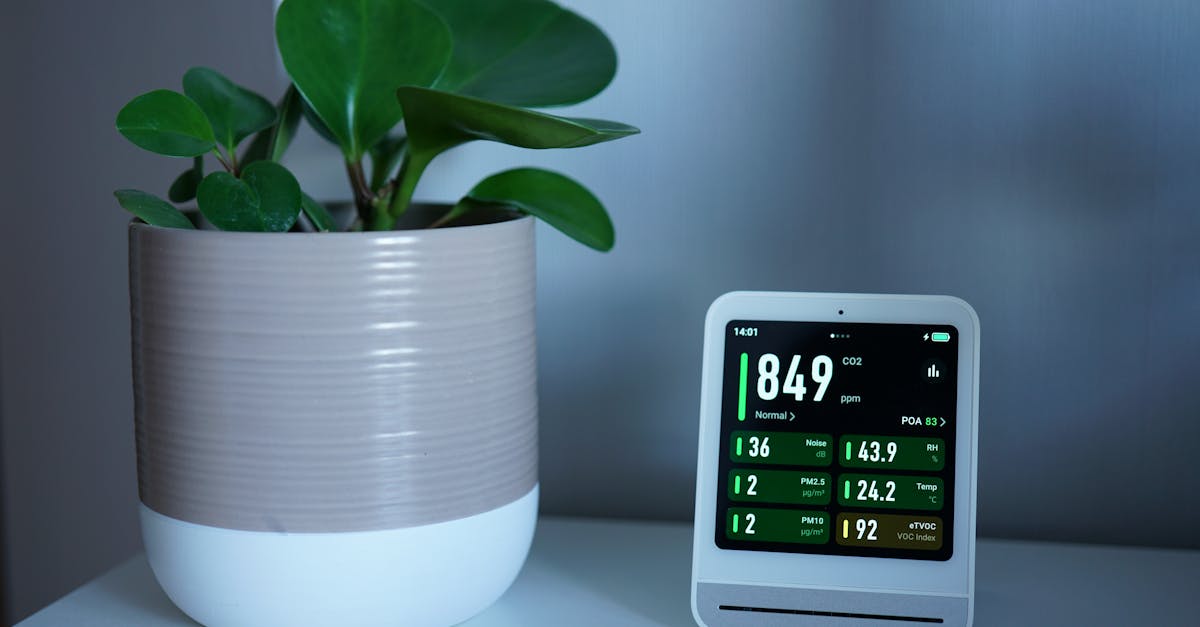
A: Besides noticeable improvements in allergy symptoms or odor reduction, you can use a basic air quality monitor. These devices measure particulate matter (PM2.5) and sometimes VOCs, giving you objective data on how effectively your purifier is cleaning the air. You’ll likely see a significant drop in PM2.5 levels when your purifier is running effectively.
Q: Should I buy one large air purifier or multiple smaller ones for my home?
A: This depends on your home’s layout and specific needs. One large, high-CADR unit can be effective in an open-concept space. However, multiple smaller units allow for targeted purification in different rooms (e.g., bedroom, kitchen, living room), which can be more efficient for addressing localized issues and maintaining consistent air quality throughout your home. In my experience, a layered approach with units strategically placed in primary living and sleeping areas often yields better overall results than relying on a single, oversized unit.
Remember, your air purifier is a tool, and like any tool, its effectiveness depends on how you use it. By adopting a layered, intentional approach to placement, filter selection, and maintenance, you can move past beginner frustrations and truly transform the air you breathe every day.
Written by Dana Okafor
Wellness, daily routines, and home life
An occupational therapist, Dana focuses on the physical and emotional friction that makes generic self-improvement advice hard to sustain.
You Might Also Like

Why Most Beginners Fail at Mastering Their New Air Conditioner (And What Actually Works for Real Comfort and Savings)
Struggling with your new AC? Discover why basic settings fail most people and learn expert strategies for optimal comfort and significant energy savings.