Why Mindless Snacking Sabotages Your Energy (And The Simple Shift That Changes Everything)
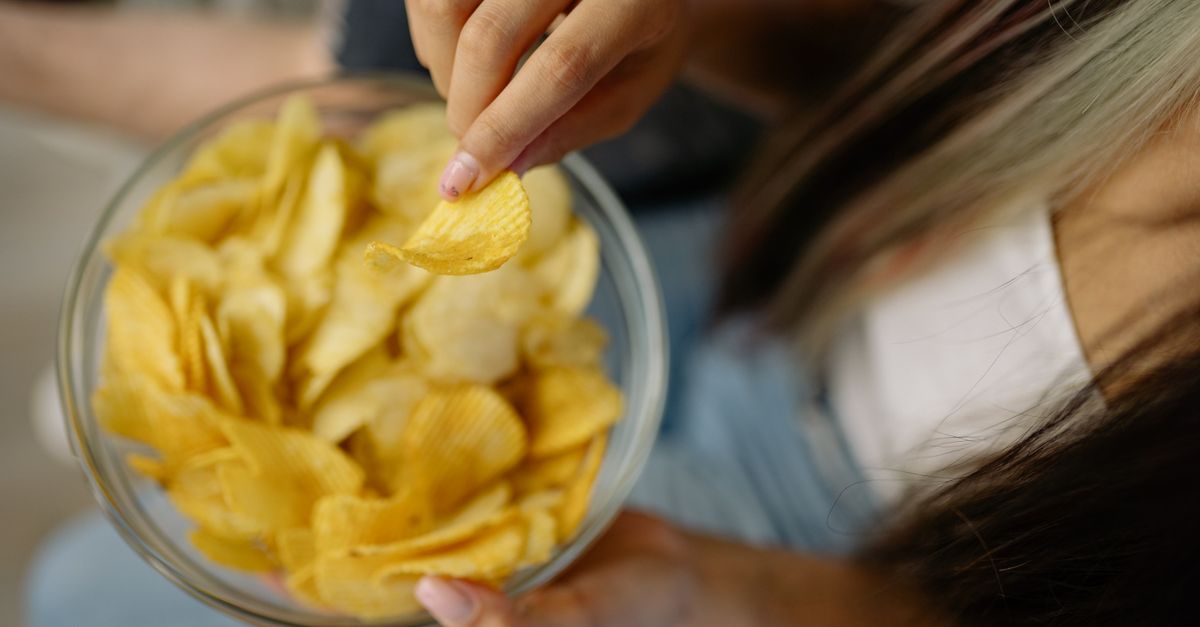
You’re sitting at your desk, the afternoon slump hitting hard. Your brain feels foggy, your eyes are glazing over, and the only thing that seems appealing is that bag of chips or the leftover cookies from yesterday. You reach for them, almost on autopilot, hoping for a quick energy boost. For a fleeting moment, there’s a sugar rush, a hit of salt, a temporary distraction. But then, an hour later, you feel even worse: more sluggish, more irritable, and maybe a little guilty.
This cycle of mindless snacking isn’t just a matter of willpower; it’s a direct sabotage of your sustained energy and overall well-being. The truth is, most people approach snacking entirely wrong, treating it as an automatic response to boredom, stress, or a perceived dip in energy. What they don’t realize is that these quick fixes often lead to a deeper energy debt, leaving them perpetually tired and unsatisfied.
In my years studying well-being and daily routines, I’ve observed countless individuals trapped in this pattern. They optimize their sleep, try to exercise, and even plan their main meals, but their energy still tanks. The missing piece? A conscious, intentional approach to what they consume between meals. It’s not about restriction; it’s about redirection and understanding the profound connection between what and how you snack and your body’s true energy reserves. The mistake isn’t snacking itself, but the mindlessness that surrounds it.
Key Takeaways
- Mindless snacking often masks underlying needs like boredom, stress, or dehydration, leading to temporary fixes and subsequent energy crashes.
- The quality and composition of your snacks significantly impact your sustained energy levels, with protein and fiber being crucial for satiety and stable blood sugar.
- Shifting from reactive to proactive snacking involves planning, understanding hunger cues, and making deliberate, nutrient-dense choices.
- Cultivating mindful eating practices transforms snacking from an automatic habit into an opportunity to nourish your body and enhance your energy.
The Real Reason You’re Reaching for That Snack (It’s Not Always Hunger)
Most people assume they snack because they’re hungry. While true hunger is a valid reason, in my experience, it’s rarely the only reason, and often not even the primary reason, for habitual, mindless snacking. Think about it: how many times have you reached for a snack while engrossed in a TV show, scrolling on your phone, or simply staring at a computer screen? Were you truly ravenous, or was something else at play?
What I’ve consistently found is that mindless snacking often serves as a coping mechanism for a host of other unmet needs. It’s a convenient, albeit ineffective, way to deal with boredom, stress, anxiety, emotional discomfort, or even just plain dehydration. When you’re feeling sluggish at 3 PM, it might not be a caloric deficit; it could be that you’re bored with your task, stressed about a deadline, or haven’t had enough water. The brain, seeking a quick dopamine hit or distraction, defaults to the easiest, most readily available comfort: food, particularly those high in sugar, fat, and salt.
For example, I once worked with a client who swore she needed a sugary snack every afternoon to push through her work. After tracking her habits for a week, we discovered she almost always reached for candy after difficult calls with a specific manager. It wasn’t hunger; it was a way to soothe the stress and frustration. Once she recognized this pattern, we replaced the candy with a 5-minute walking break and a large glass of water, and her afternoon energy levels soared. The key is to pause and ask yourself: “Am I truly hungry right now, or am I feeling something else?” Understanding the why behind your urge is the first, critical step in breaking the mindless cycle.
The Hidden Blood Sugar Rollercoaster (And Why It Leaves You Drained)
When we opt for common mindless snacks – think processed cookies, sugary drinks, white bread crackers, or chips – we’re often choosing items rich in refined carbohydrates and sugars but lacking in fiber, protein, or healthy fats. The immediate effect is a rapid spike in blood glucose. Your body, recognizing this surge, floods your system with insulin to bring those levels down quickly. This is where the rollercoaster begins.
That rapid insulin response often overshoots, leading to a sudden drop in blood sugar, sometimes even lower than where you started. This dip is known as reactive hypoglycemia, and it’s the direct culprit behind that post-snack energy crash, irritability, brain fog, and renewed cravings. It’s a vicious cycle: you feel tired, so you grab a quick-fix snack, which causes a blood sugar spike and then an even deeper crash, making you feel more tired and crave more quick fixes. It’s like trying to fill a leaky bucket with a sieve – you’re expending effort but not retaining anything substantial.
Consider the difference between an apple (fiber, natural sugars) versus an apple juice box (concentrated sugar, no fiber). The apple provides sustained energy release because its fiber slows sugar absorption. The juice box, however, delivers a sugar bomb, leading to a rapid spike and inevitable crash. In my own experience, shifting from granola bars loaded with added sugar to a handful of almonds and a small piece of fruit completely eliminated my 3 PM slump. It wasn’t magic; it was simply providing my body with balanced fuel that prevented the dramatic blood sugar fluctuations.
The Quality Over Quantity Rule: Fueling for Sustainable Energy
Many people focus solely on calorie count when it comes to snacking, but in my view, quality trumps quantity every single time, especially when it comes to energy. A 150-calorie pack of gummy bears will have an entirely different impact on your energy levels and satiety than 150 calories of Greek yogurt with berries.
The secret to sustained energy from snacks lies in their macronutrient composition. You want a combination that slows digestion, provides steady glucose release, and keeps you feeling full and satisfied, not just momentarily satiated. This means prioritizing protein, healthy fats, and fiber-rich complex carbohydrates.
- Protein is crucial for satiety and stabilizing blood sugar. It takes longer to digest, keeping hunger at bay. Think hard-boiled eggs, cottage cheese, Greek yogurt, a small handful of nuts, or a slice of turkey.
- Healthy Fats also contribute to satiety and slow down nutrient absorption, providing a steady stream of energy. Avocados, nuts, seeds, and olive oil are excellent choices.
- Fiber-rich Complex Carbohydrates (from whole fruits, vegetables, and whole grains) provide sustained energy without the sharp spikes. The fiber acts as a natural buffer, managing blood sugar levels. Think an apple with peanut butter, carrot sticks with hummus, or a small portion of whole-grain crackers with cheese.
The mistake I see most often is people reaching for snacks that are primarily simple carbohydrates or unhealthy fats. They might feel satisfied for 15 minutes, but then the hunger and fatigue return with a vengeance. What changed everything for me was realizing that a small, thoughtful snack could be far more powerful than a large, unthinking one. Instead of a large bag of pretzels, I started having a small handful of walnuts and a clementine, and the difference in my afternoon focus was remarkable.
The Power of Proactive Snacking (Vs. Reactive Grazing)
One of the biggest shifts you can make to reclaim your energy is to move from reactive grazing to proactive snacking. Reactive grazing is what happens when you wait until you’re absolutely starving, your energy has plummeted, and you grab the first thing you see – which is often not the healthiest or most beneficial choice. It’s driven by urgency and a lack of planning.
Proactive snacking, on the other hand, is intentional. It involves thinking ahead, understanding your body’s needs, and making deliberate choices before hunger becomes an emergency. This doesn’t mean rigidly adhering to a schedule, but rather having a general idea of when you might need a little fuel and having appropriate options readily available.
Here’s how to implement it:
- Anticipate Your Energy Dips: Do you always hit a wall at 11 AM? Or 3:30 PM? Knowing your typical slump times allows you to prepare. Instead of waiting for the crash, have a pre-portioned, nutrient-dense snack ready 30 minutes before.
- Stock Your Environment: Make healthy choices the easiest choices. Keep fruits, nuts, yogurt, or pre-cut veggies visible and accessible at home and at work. Remove or hide the highly processed, low-nutrient options. If the unhealthy snack requires effort to get, you’re less likely to grab it mindlessly.
- Plan Your “Emergency” Snacks: Life happens. You get stuck in traffic, a meeting runs long, or you’re unexpectedly out longer than planned. Have non-perishable, healthy snacks in your bag, car, or desk drawer – think almonds, protein bars (check for low sugar), or dried fruit.
For years, I found myself ravenously hungry after my morning workout, leading to grabbing whatever was quickest. Once I started packing a small container of cottage cheese with berries the night before, I noticed a dramatic improvement. I wasn’t just avoiding an unhealthy choice; I was actively setting myself up for sustained energy for the rest of my morning. This simple act of planning removed the decision fatigue and the lure of convenience traps.
Cultivating Mindful Snacking: Reconnecting with Your Body’s Cues
The ultimate goal isn’t just to eat healthier snacks; it’s to transform your relationship with food, particularly between meals. This is where mindful snacking comes in. Mindlessness is the enemy of sustained energy because it disconnects you from your body’s true signals of hunger and satiety. When you eat mindlessly, you often consume more than you need and still don’t feel truly satisfied.
Mindful snacking involves bringing full awareness to the act of eating. It’s about engaging all your senses and truly experiencing your snack, rather than just consuming it. This re-establishes a crucial connection between your mental and physical states.
Here’s how to practice it:
- Pause Before You Pick: Before reaching for a snack, take a deep breath. Ask yourself: “Am I truly hungry? What kind of hunger is this? Physical hunger (stomach growling, low energy) or emotional hunger (boredom, stress, craving)?” If it’s not physical hunger, address the underlying need first.
- Eliminate Distractions: If you decide to snack, commit to doing it without distractions. Put away your phone, close your laptop, turn off the TV. Sit down and focus solely on your food.
- Engage Your Senses: Look at your snack. Notice its colors and textures. Smell it. Take a small bite and savor it. Pay attention to the flavors, the texture in your mouth, and how your body responds. Chew slowly and thoroughly.
- Check In Halfway: Pause mid-snack. “Am I still hungry? Am I starting to feel satisfied?” Often, you’ll find you need less than you thought.
One of the most profound changes I made was simply eating my afternoon snack away from my desk. Even a 5-minute break in the kitchen, focusing solely on a piece of fruit, made a world of difference. Not only did I enjoy the snack more, but I also returned to my work feeling refreshed and genuinely energized, rather than just having pushed through another few bites without really noticing. Mindful snacking isn’t just about food; it’s about giving yourself a small, intentional break that recharges both your body and your mind.
Frequently Asked Questions
Q: I often crave sweet snacks. What are some healthy alternatives that still satisfy that craving?
A: Focus on naturally sweet options combined with protein or fiber. Fresh fruit (berries, apples, bananas) with a dollop of Greek yogurt or a spoonful of nut butter can be incredibly satisfying. Dates stuffed with a few almonds, a small square of dark chocolate (70%+ cocoa), or a homemade smoothie with fruit and protein powder are also great choices that provide nutrients and avoid the blood sugar crash of processed sweets.
Q: How do I distinguish between true hunger and emotional hunger?
A: True hunger often comes on gradually, manifesting as stomach growls, a feeling of emptiness, or a slight dip in energy. It can be satisfied by a variety of foods. Emotional hunger, on the other hand, often comes on suddenly, feels urgent, and usually targets specific comfort foods (like chips or chocolate). It’s often triggered by emotions like stress, boredom, or sadness, and even after eating, you might not feel physically full, only emotionally regretful. A good test: drink a glass of water and wait 10-15 minutes. If the hunger persists, it’s more likely true hunger.
Q: Is it okay to skip snacks if I’m not hungry?
A: Absolutely. The idea of rigid meal and snack times is often less effective than listening to your body. If your main meals are balanced and keep you satisfied, and you don’t feel hungry between them, there’s no need to force a snack. Proactive snacking is about planning for potential needs, not about mandatory consumption. Prioritize listening to your body’s genuine hunger cues.
Q: What are some quick, easy, and healthy snack ideas for busy days?
A: Keep it simple! Hard-boiled eggs (batch prep them), a small handful of almonds or walnuts, an apple with a tablespoon of peanut butter, a container of plain Greek yogurt, baby carrots or bell pepper strips with hummus, string cheese, a small banana, or even a small can of tuna are all excellent, convenient options that balance protein, fiber, and healthy fats.
Q: How long should I wait between meals and snacks to optimize digestion and energy?
A: There’s no one-size-fits-all answer, as it depends on your meal size, activity level, and individual metabolism. However, a general guideline is to allow 2-4 hours between meals or snacks. This gives your digestive system time to process food and helps you recognize genuine hunger cues. If you’re constantly grazing every hour, your body doesn’t get a chance to fully digest, which can lead to digestive discomfort and make it harder to differentiate between actual hunger and habit.
In the end, reclaiming your energy from the clutches of mindless snacking isn’t about deprivation; it’s about conscious choices. By understanding the true drivers behind your cravings, prioritizing nutrient-dense options, planning your fuel, and practicing mindful eating, you can transform your relationship with food and unlock a consistent, sustained level of energy that truly empowers your day. Start by making one small, intentional change today – perhaps bringing a pre-planned, wholesome snack to work – and observe the profound difference it makes.
Written by Dana Okafor
Wellness, daily routines, and home life
An occupational therapist, Dana focuses on the physical and emotional friction that makes generic self-improvement advice hard to sustain.
You Might Also Like

Why Most People Hate Waking Up Early (And The Biological Fix That Actually Works)
Struggling to become an early riser? Discover why conventional advice fails and how aligning with your biology changes everything.

Why Most People Fail at Emotional Intelligence (And What Actually Works)
Discover why common emotional intelligence advice misses the mark and learn practical strategies that truly enhance your understanding and management of emotions for better relationships and success.

Why Most People Fail at Mastering Their Emotions (And The Strategic Approach That Actually Works)
Most emotional regulation advice misses the mark. Learn a strategic, actionable framework to truly master your emotions and find lasting calm, not just temporary relief.